




THE 3 STAGES OF YOUR HOME
- FIRSTTHE LIVING BRIEF
- AND THENARCHITECTURE & INTERIORS
- FINALLYDÉCOR & TOUCH
BEFORE HE DRAWS, HE LISTENS.
A floor plan can tell you where someone lives. It cannot tell you how.
Before a room takes shape, there is a life to understand. Your ordinary mornings. How you welcome company, or find quiet. Borhan listens, asks further and tests his understanding with you. What emerges gives the home its direction: where spaces belong, how they meet, and what each must make possible.
HE LISTENS FOR WHAT YOU HAVEN’T FOUND WORDS FOR.
Sometimes, the most useful answer begins with “I’m not sure.”
A hesitation, a remembered room, a strong dislike: each can be a beginning. You may want openness and solitude, company without feeling on display. Borhan follows these tensions with questions, giving a feeling enough definition to guide a decision, while leaving room for your sense of home to evolve.
FROM HERE, THE CONVERSATION BECOMES ARCHITECTURE.
A room begins to take shape long before it has walls.
A wish for privacy shapes an entrance. The pleasure of a long lunch brings the kitchen towards the garden. Borhan translates your conversations into proportion, sequence, light and movement, alongside the site’s practical demands. A feeling begins to find its place, its dimension, and its purpose.
EVERY PART MUST ANSWER TO THE WHOLE.
A home should have room for every version of you.
Company and solitude. Exuberance and quiet. Borhan considers architecture and interiors together, shaping light, materials and the relationships between rooms around how you want to feel. Each space may reveal a different side of you. The care lies in allowing those differences to belong together.
A HOME IS ONLY FINISHED WHEN IT BEGINS TO BREATHE.
There is a difference between admiring a room and longing to return to it.
The chair you choose each evening. Light falling just where you need it. Borhan considers what draws you towards a place, and the attachment that grows around it. The things closest to you become part of your rituals, friendships and solitude. A room you once admired becomes somewhere you miss.
SOME PIECES ARE CHOSEN. OTHERS ARE RECOGNISED.
You can recognise yourself in something you have never seen before.
A painting holds your attention. An unfamiliar shape feels strangely right. Borhan brings possibilities into the conversation and watches for your response. Some choices carry a history; others belong to the life ahead. Their value lies in the relationship you form, and the care with which they find their place.
IN THE END, THE HOUSE DRAWS YOU HOME.
At first, he draws you in.
What began as a conversation has become a place that feels unmistakably yours.
Before a room takes shape, there is a life to understand. How you spend an ordinary morning. What happens when everyone comes home. Whether company restores you or you need a door you can close. These conversations reach beyond preferred styles. They reveal habits and competing wishes that a list of rooms can’t describe. Borhan’s task is to listen closely, ask further, test his understanding with you. What emerges gives the design its direction, where spaces belong, how they meet, and what each needs to make possible.
Before he draws, he listens.
STAGE ONE

A floor plan can tell you where someone lives. It cannot tell you how.
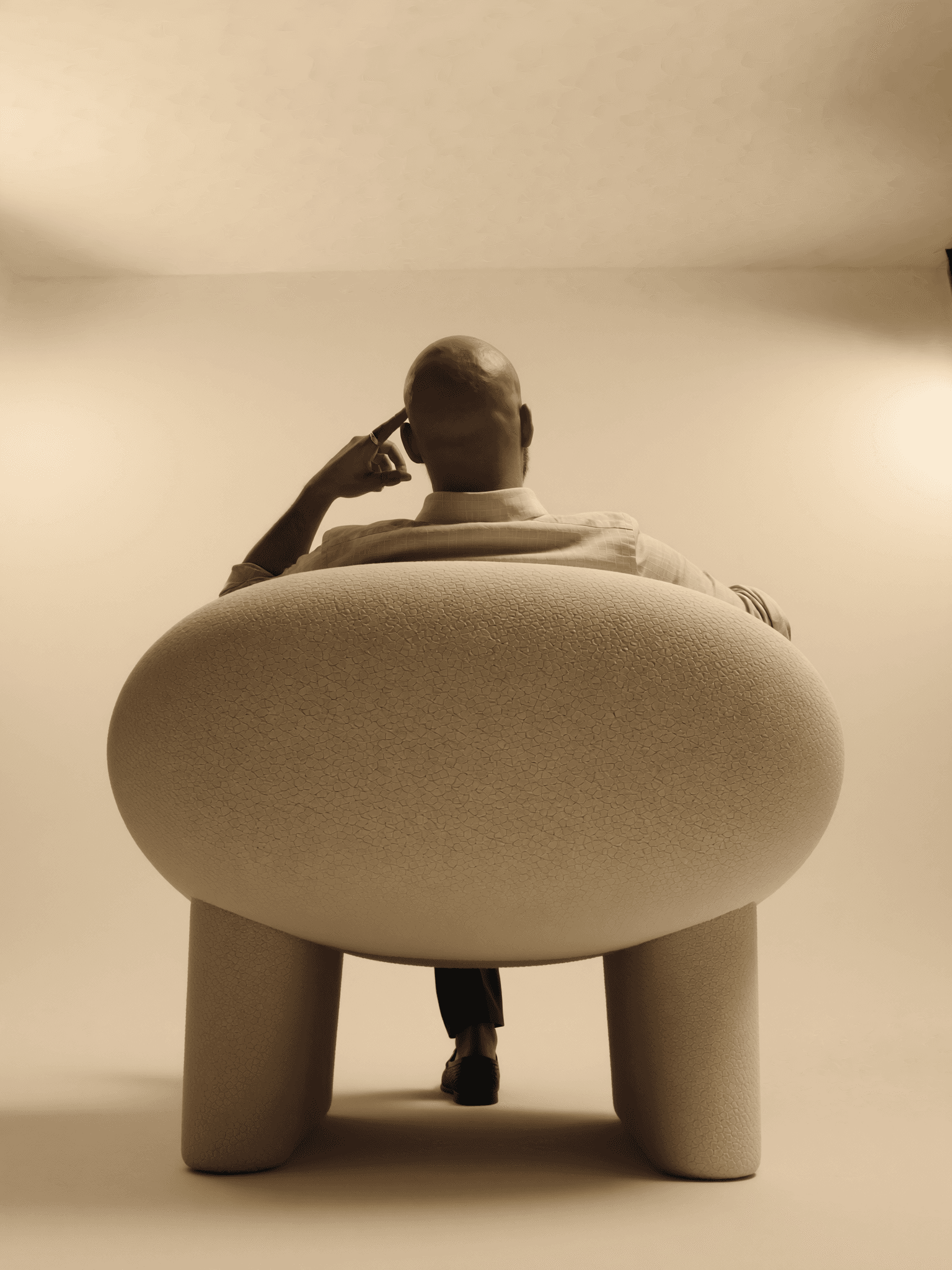
You don’t need a complete account of the home you want. A hesitation, a remembered room, or a strong dislike can be a starting point. You might ask for openness, yet describe how much you value solitude. You might love entertaining, but dislike feeling on display. Neither wish cancels the other. Borhan follows such tensions with questions, offering interpretations for you to challenge or recognise. The aim is to give a feeling enough definition to inform a decision, while leaving room for your sense of home to evolve.

He listens for what you haven’t found words for.
Sometimes, the most useful answer begins with ‘I’m not sure.’

FROM HERE, THE CONVERSATION BECOMES ARCHITECTURE.
STAGE TWO




What you have shared begins to influence the plan. A wish for privacy might shape the approach to the front door. The pleasure of a long lunch might determine how the kitchen meets the garden. A need for quiet might change the relationship between rooms. Borhan explores these possibilities through proportion, sequence, light and movement, weighing them against the site and the practical demands of the building. Each decision must work within the whole. As the design develops, you can begin to recognise the conversations within it: something once expressed as a feeling now has a place, a dimension, and a purpose.
A room begins to take shape long before it has walls.
A home must accommodate the pleasure of company and the relief of being alone. Its geometry helps make room for both. The proportions of a gathering space can invite closeness; the depth of a threshold can give you a moment to leave the day behind. Borhan considers architecture and interiors together, asking how light, materials, and the relationships between rooms might support the way you want to feel. There should be room for exuberance, intimacy, and quiet, without the house losing its sense of belonging together. Each space may reveal a different side of you. The care lies in allowing those differences to coexist, so you can move through your home without feeling you must always be the same person.
EVERY PART MUST ANSWER TO THE WHOLE.


A home should have room for every version of you.

A HOME IS ONLY
FINISHED WHEN IT BEGINS TO BREATHE.
STAGE THREE

There is a difference between admiring a room and longing to return to it.
Meaning before styling. What makes you choose the same chair every evening? Why does one room invite you to stay long after the conversation has ended? These are questions of decoration, too. Borhan considers what draws you towards a place: the comfort of being gently enclosed, the pleasure of an object that catches your eye anew, the intimacy of light falling just where you need it. Beauty matters deeply, but so does the attachment that grows around it. The things closest to you become part of your private rituals, your friendships, your moments of solitude. They deserve to be chosen with that life in mind. Over time, a room you once admired becomes somewhere you miss.
You may find yourself drawn to something you cannot immediately explain. A painting holds your attention. An unfamiliar shape feels strangely right. A piece you would never have thought to ask for makes you smile. Borhan makes room for these discoveries, bringing possibilities into the conversation and paying attention to your response. Some choices carry a history; others belong to the life ahead. Their value need not depend on rarity, a celebrated name, or how readily they match. What matters is the relationship you form with them, and how thoughtfully they find their place within the home. A collection can grow from that curiosity, revealing your character without requiring everything to tell the same story.
You can recognise something of yourself in a thing you have never seen before.
SOME PIECES ARE CHOSEN.
OTHERS ARE RECOGNISED.


At first,
he draws
you in.

In the end,
the house draws
you home.
